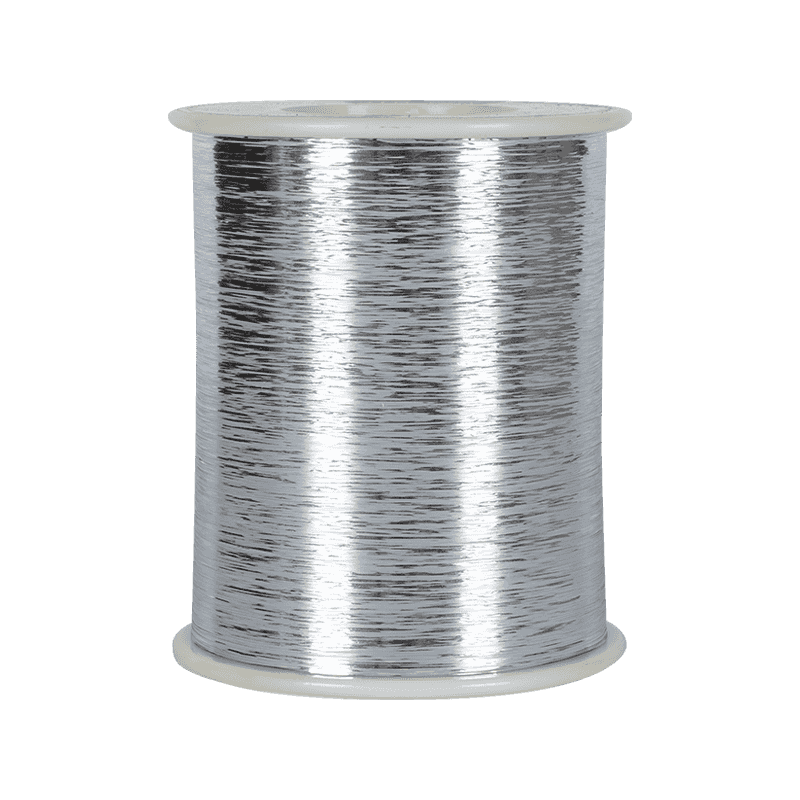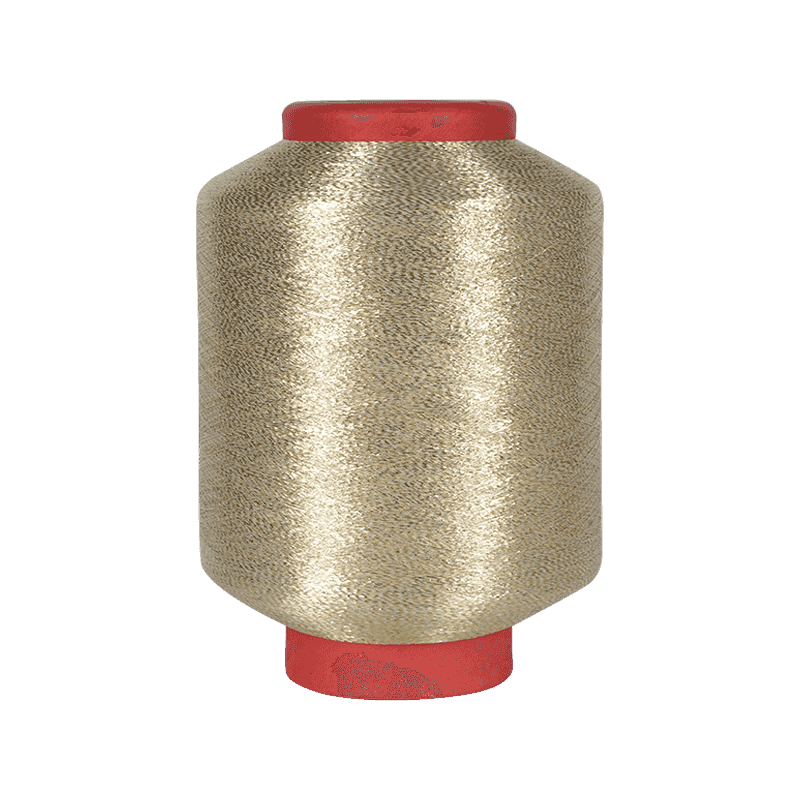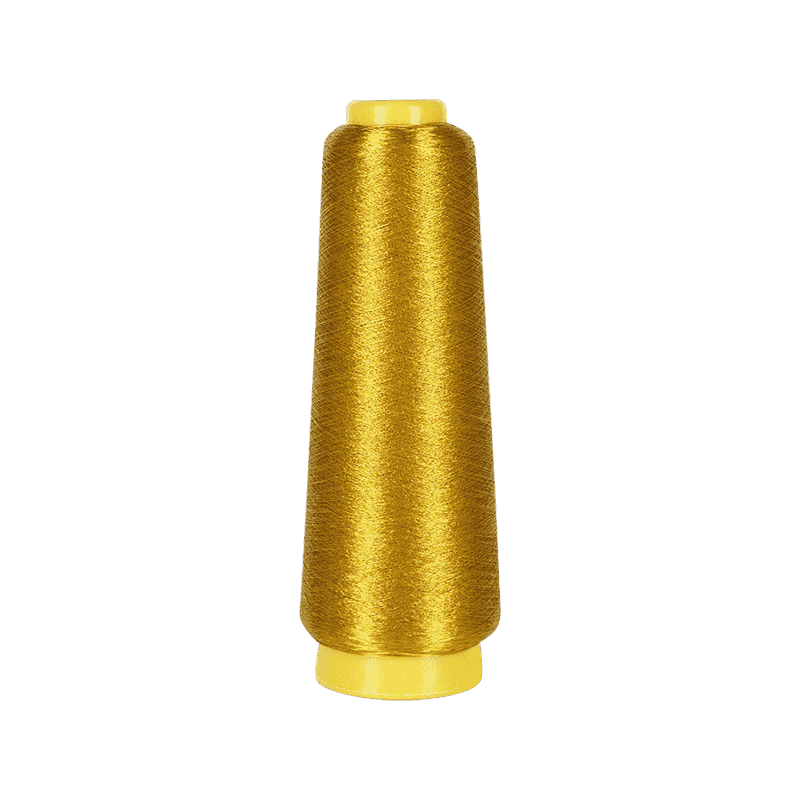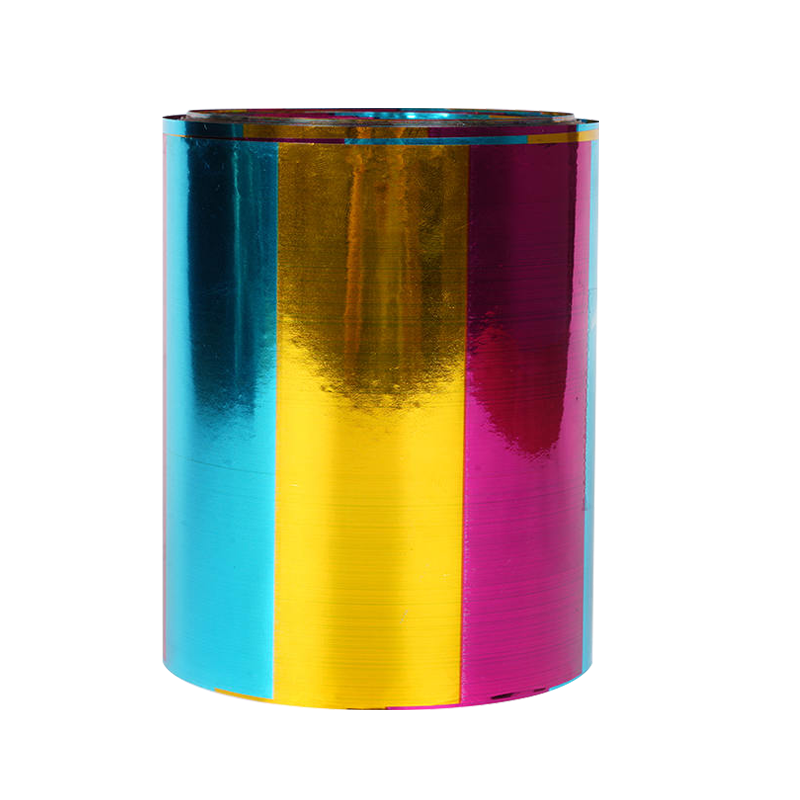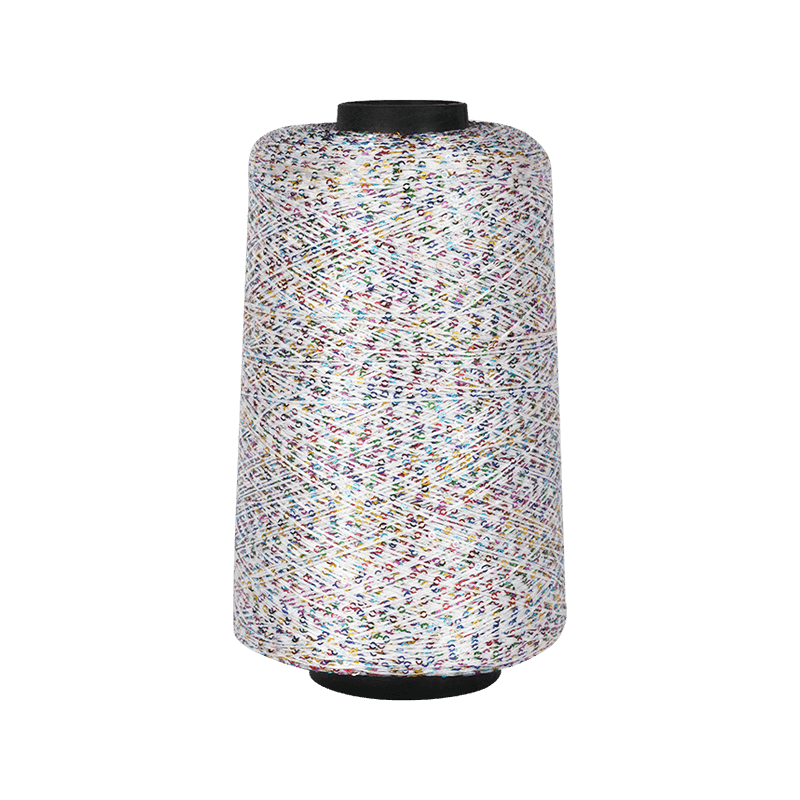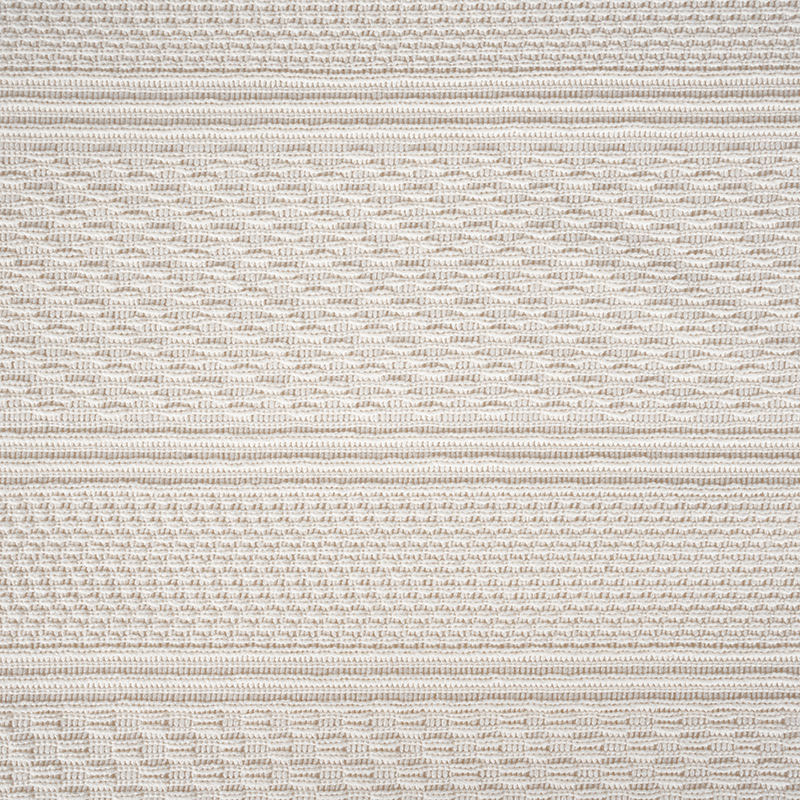
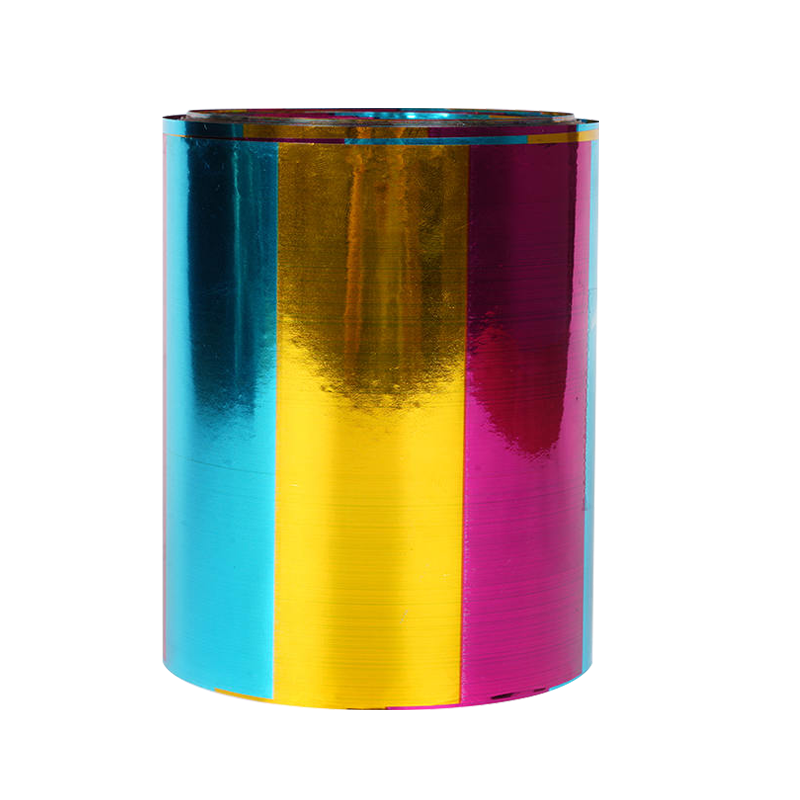
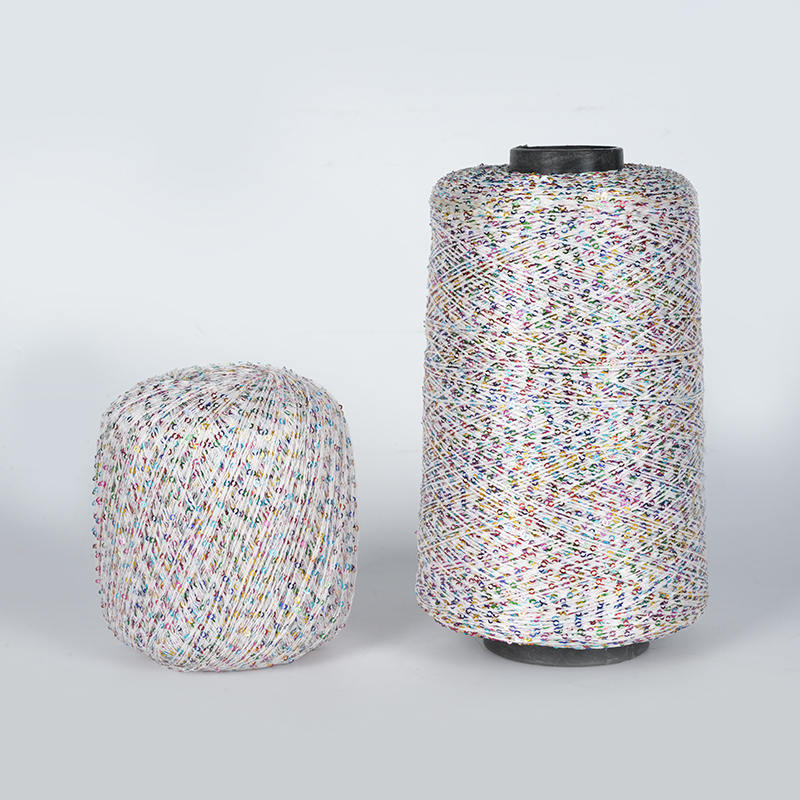
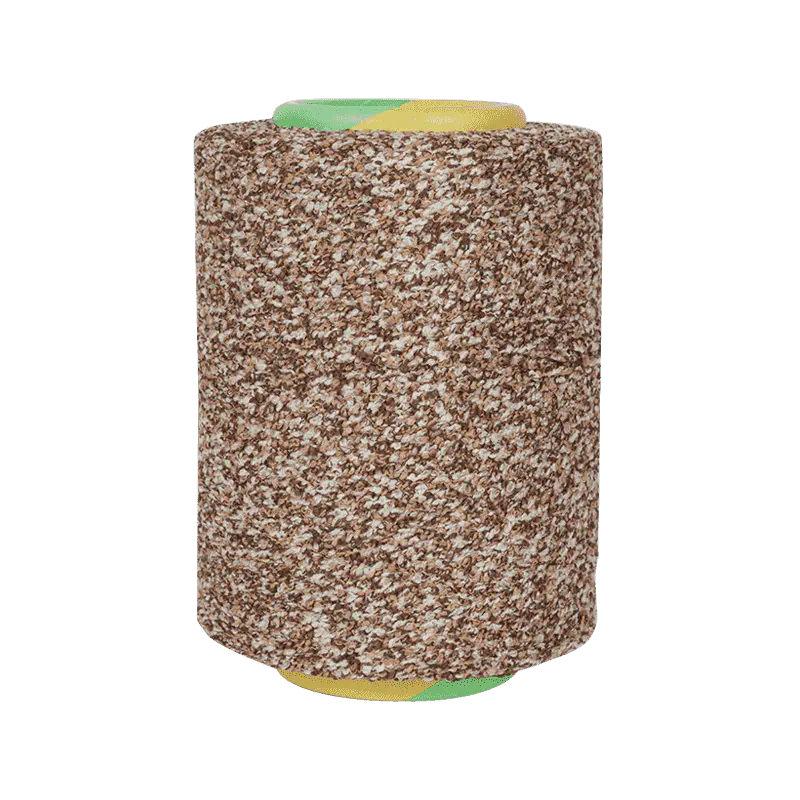
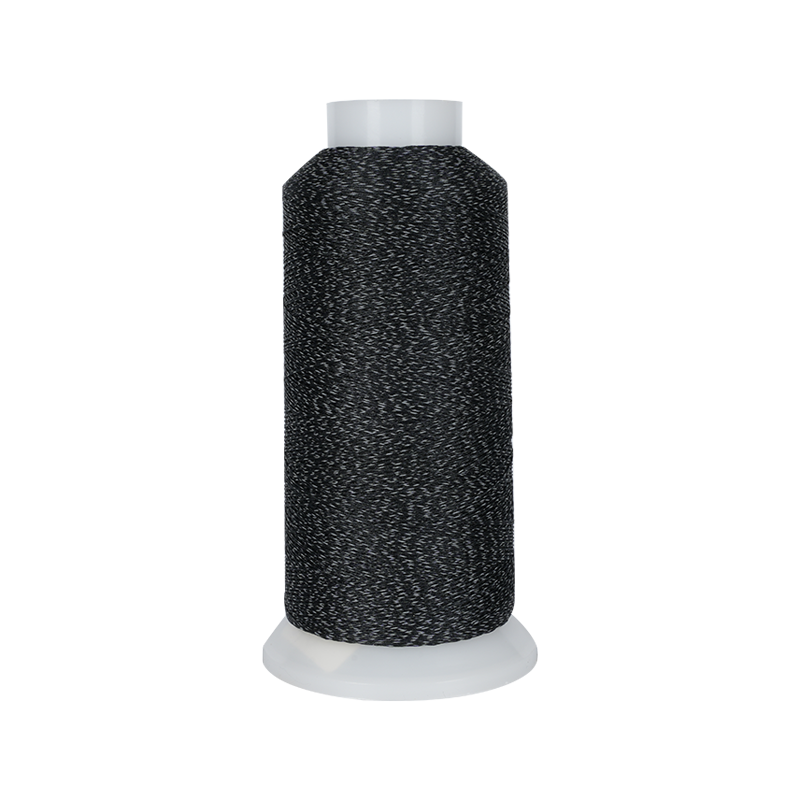
Snáth scannán poileistir is ábhar sintéiseach speisialaithe é a dhéantar as scannán poileistear trí phróisis ghearrtha beachta, síneadh agus casta. Murab ionann agus snátha snáithíní traidisiúnta, seachadann tógáil scannán-bhunaithe neart teanntachta níos fearr, cobhsaíocht tríthoiseach, agus friotaíocht in aghaidh díghrádaithe ceimiceacha agus comhshaoil - rud a fhágann gurb é an rogha is fearr le haghaidh feidhmeanna éilitheacha tionsclaíocha nuair a theipeann ar snátha caighdeánacha.
3-5x
Neart teanntachta níos airde ná snáth snáithín
0.2%
Ráta crapadh íseal faoi strus
6
Mór-earnálacha feidhmithe tionsclaíochta
1 Cad a Shainmhíníonn Snáth Scannán poileistir agus Cén Fáth a bhfuil Tábhacht ag baint leis
Snáth scannán poileistir a tháirgtear trí scannán poileistear a thiontú ina stiallacha cúnga beachta trí phróisis slitting agus treoshuímh, agus ansin na stiallacha seo a fhoirmiú ina struchtúir snáth trí chasta nó nascadh. Cruthaíonn an ailtireacht scannán-bhunaithe próifíl feidhmíochta bunúsach difriúil i gcomparáid le snátha snáithíní traidisiúnta. Sa chás go mbaineann snátha snáithíní neart trí shnáithíní casta iolracha, díríonn snáth scannáin poileistear neart isteach i struchtúr leanúnach gan bhriseadh.
Seachadann an modh tógála seo cumas ualachiompartha eisceachtúil, friotaíocht cuimilt den scoth, agus airíonna tríthoiseach cobhsaí faoi strus meicniúil agus faoi nochtadh comhshaoil. Sonraíonn monaróirí snáth scannáin poileistear nuair a éilíonn feidhmchláir feidhmíocht chruthaithe i gcoinníollacha éilitheacha - treisiú tionsclaíoch, síonchaitheamh lasmuigh, nochtadh ceimiceach, nó cásanna lódála ardtionchair.
Struchtúr ualachiompartha níos fearr: Díríonn dearadh scannán-bhunaithe neart teanntachta feadh filiméid leanúnacha, ag seachadadh neart 3-5 huaire níos airde in aghaidh an mheáchain aonaid i gcomparáid le snátha snáithíní poileistear traidisiúnta.
Comhsheasmhacht tríthoiseach eisceachtúil: Cinntíonn rátaí ísle crapadh (0.2–0.5% de ghnáth) beachtas in feidhmeanna tionsclaíochta a éilíonn lamháltais dochta agus iompar intuartha faoi theannas agus athrú teochta.
Marthanacht il-chomhshaoil: Ciallaíonn friotaíocht comhuaineach ar thaise, nochtadh UV, scríobadh agus ionsaí ceimiceach go bhfeidhmíonn snáth scannáin poileistear go hiontaofa i suíomhanna lasmuigh, fliuch, tionsclaíocha agus ceimiceacha ina ndíghrádaíonn ábhair eile.
2 Feidhmchláir Lárnacha Thionsclaíocha ar fud na Sé Earnáil
Feidhmíonn snáth scannáin poileistir mar ábhar bunúsach d'fheidhmchláir thionsclaíocha ríthábhachtacha. Úsáideann gach earnáil airíonna meicniúla agus comhshaoil ar leith.
| Earnáil | Feidhmchláir Sonracha | Riachtanas Feidhmíochta Criticiúil |
| Teicstílí Tionscail | Fabraicí treisithe, comhchodacha fite, teicstílí tromshaothair | Neart teanntachta ard agus cobhsaíocht tríthoiseach faoi ualach |
| Tionscal Pacáistiú | Strapping, ábhair cheangailteach, sraitheanna athneartaithe ilchodacha | Gabháltas ualaigh a dhaingniú agus é in aghaidh síneadh agus scríobadh |
| Rópa & Mogall | Rópaí tionsclaíocha, líonta sábhála, líonta talmhaíochta agus iascaireachta | Friotaíocht aimsire agus sláine struchtúrach fadtéarmach |
| Córais Scagacháin | Fabraicí scagaire tionsclaíocha, seicní deighilte, scagachán aeir | Cobhsaíocht cheimiceach agus marthanacht mheicniúil le linn oibriú leanúnach |
| Ábhair Neartú | Sraitheanna fabraice ilchodacha, neartú struchtúrach, teicstílí teicniúla | Cumas aistrithe ualaigh agus feidhmíocht chomhsheasmhach thar bhaisceanna |
| Teicstílí Maisiúla | Ábhair dromchla speisialtachta, teicstílí dearaidh, fabraicí feidhmiúla | Cuma uathúil in éineacht le hiontaofacht struchtúrach |
3 Próiseas Déantúsaíochta: Ó Scannán go Snáth Críochnaithe
Soiléiríonn a fheidhmíocht níos fearr a thuiscint conas a dhéantar snáth scannáin poileistear. Déantar rialú níos cruinne ar an bpróiseas táirgthe ná sníomh snáithíní traidisiúnta, agus cinntíonn seicphointí cáilíochta iolracha comhsheasmhacht.
- Easbhrúite scannáin poileistir: Déantar roisín poileistear ardchaighdeáin a leá agus a easbhrú isteach i leatháin scannáin chomhréidh. Déantar tiús scannáin a rialú de réir sonraíochtaí cruinne (10-100 miocrón go hiondúil) chun tréithe deiridh neart snáth a chinneadh.
- Síneadh agus treoshuíomh: Téann scannán easbhrúite trí chriosanna téimh agus síneadh a ailíníonn an struchtúr móilíneach feadh treo an mheaisín, ag méadú go suntasach ar neart teanntachta agus cobhsaíocht tríthoiseach.
- Sliotán beachtais: Tá an scannán dírithe scoilte i stiallacha cúnga ag baint úsáide as ard-cruinneas trealamh gearrtha. Coimeádtar leithead an stiall (1–5mm go hiondúil) laistigh de lamháltais dhaingne chun airíonna aonfhoirmeacha snáth a chinntiú.
- Casadh agus nascadh snáth: Déantar stiallacha scannáin a chaolú le chéile ag baint úsáide as innealra speisialaithe. Déantar uillinneacha twist a chalabrú chun neart, solúbthacht agus próiseasacht a bharrfheabhsú ar threalamh fíodóireachta nó tionsclaíoch.
- Cóireáil agus riochtú dromchla: Féadfaidh snáth críochnaithe cóireálacha ceimiceacha nó teirmeacha a fháil chun tréithe láimhseála a fheabhsú, frithchuimilt a laghdú, agus comhoiriúnacht le trealamh próiseála iartheachtacha a fheabhsú.
- Tástáil cáilíochta agus pacáistiú: Déantar neart teanntachta, fadú, friotaíocht cuimilte, agus airíonna tríthoiseach a thástáil i gcoinne caighdeáin thionsclaíocha. Déantar snáth a fhoirceannadh ar spóil le doiciméadú beacht meáchain agus faid.
Ábhair Bheachtais i Soláthar Tionsclaíoch: Snáth scannán poileistir quality depends entirely on manufacturing discipline. Batch-to-batch variation in film thickness, stretching parameters, or slitting accuracy creates measurable differences in tensile strength and dimensional stability—which directly impact production efficiency and finished product performance. Established suppliers invest in advanced equipment and rigorous process controls that guarantee consistent results.
4 Comparáid Feidhmíochta Teicniúla: Snáth Scannán vs Snáth Snáithín
Freastalaíonn snáth scannáin poileistir agus snáth snáithín poileistear traidisiúnta chun críocha iarratais atá difriúil go bunúsach. Cinntíonn tuiscint ar na difríochtaí feidhmíochta go sonraíonn tú an t-ábhar ceart do d'iarratas.
Neart Teanntachta
Snáth Scannán: 3-5 huaire níos airde in aghaidh an meáchain aonaid. Seachadann struchtúr tiubhaithe cumas ualachiompartha eisceachtúil.
Snáth Snáithín: Neart measartha trí bundles snáithíní casta. Oiriúnach d'iarratais atá dírithe ar chompord.
Fadú & Solúbthacht
Snáth Scannán: Rátaí fadaithe níos ísle (2-8%). Coinníonn an cruth faoi teannas, oiriúnach le haghaidh feidhmeanna cruinneas.
Snáth Snáithín: Fadú níos airde (10-25%). Níos mó a thabhairt agus solúbthacht maidir le húsáid éadaí agus maisiúil.
Friotaíocht Timpeallachta
Snáth Scannán: UV Superior, taise, agus friotaíocht ceimiceach. Deartha do thimpeallachtaí lasmuigh agus tionsclaíocha.
Snáth Snáithín: Friotaíocht timpeallachta measartha. Teastaíonn cóireálacha speisialta le haghaidh nochtadh lasmuigh leathnaithe.
Costas Déantúsaíochta
Snáth Scannán: Eacnamaíoch chun críocha athneartaithe mar gheall ar phróiseas éifeachtúil comhshó scannán-go-snáth.
Snáth Snáithín: Costas tosaigh níos ísle d’iarratais ghinearálta, ach d’fhéadfadh go mbeadh sraitheanna treisithe ag teastáil le haghaidh úsáide éilitheach.
5 Cúig Chritéar Roghnúcháin Chriticiúla do D'Iarratas
1. Sonraigh Neart Teanntachta Riachtanach agus Rátáil Luchtaithe
Sainmhínigh an strus uasta a bheidh ar d’iarratas. Iarr sonraíochtaí neart teanntachta snáth scannáin poileistear i cN/tex nó ualach briste i Newtons. Fíoraigh go n-áirítear sna sonraíochtaí lamhálacha sábháilteachta a oireann do do thimpeallacht agus minicíocht an luchtaithe.
2. Nochtadh Comhshaoil agus Riachtanais Cheimiceacha a mheas
Déan cinneadh an bhfuil síonchaitheamh lasmuigh, nochtadh taise, nochtadh UV, teagmháil cheimiceach nó rothaíocht teochta i gceist le d’iarratas. Iarr sonraí tástála ar fhriotaíocht cheimiceach le haghaidh substaintí sonracha a dtiocfaidh do snáth orthu. Is fearr snáth scannáin poileistir sna coinníollacha seo, ach féadfar foirmlithe sonracha a bharrfheabhsú le haghaidh timpeallachtaí ar leith.
3. Cobhsaíocht Toiseach agus Feidhmíocht Crapadh a Fhíorú
Deimhnigh rátaí crapadh faoi ghnáthchoinníollacha tástála agus faoi raonta teochta agus taise réamh-mheasta d’iarratais. Tá crapadh íseal ríthábhachtach in iarratais thionsclaíocha ina bhfuil gá le lamháltais bheachtais. Iarr sonraí tástála crapadh ó do sholáthraí.
4. Deimhnigh Comhoiriúnacht agus Feidhmíocht Próiseála
Deimhnigh go bhfuil an leithead snáth, an tiús, agus na saintréithe casta oiriúnach do do threalamh fíodóireachta, braideála nó próiseála tionsclaíoch ar leith. Iarr ritheanna tástála nó samplaí chun feidhmíocht ar d'innealra iarbhír a bhailíochtú sula dtiomnaíonn tú mórorduithe.
5. Cumas Teicniúil agus Córais Cháilíochta Soláthraithe a mheas
Roghnaigh soláthraithe le nósanna imeachta rialaithe cáilíochta doiciméadaithe, trealamh déantúsaíochta chun cinn, agus taithí chruthaithe ag soláthar snáth scannáin poileistear do thionscail a bhfuil riachtanais feidhmíochta comhchosúla acu. Fíoraigh deimhnithe, prótacail bhaisc-thástáil, agus infhaighteacht tacaíochta teicniúla.
6 Forbairt Teicneolaíochta sa Todhchaí i Snáth Scannán
Leanann an tionscal snáth scannáin poileistear ag dul chun cinn in eolaíocht ábhair agus teicneolaíocht próiseála. Tá foirmlithe snáth scannáin poileistir ag éirí níos láidre, níos resistant go ceimiceach, agus níos inbhuanaithe. Tá foinsí scannáin poileistear athchúrsáilte ag éirí níos inmharthana, rud a ligeann do mhonaróirí ceanglais inbhuanaitheachta a chomhlíonadh gan comhréiteach feidhmíochta. Tá bratuithe feidhmiúla ag teacht chun cinn a chuireann cumais cosúil le seoltacht leictreach nó ionsú UV feabhsaithe go díreach leis an snáth.
7 Ceisteanna Coitianta Maidir le Snáth Scannán poileistir
Conas a dhéantar comparáid idir snáth scannáin poileistear agus snáth scannáin níolón?
Tugann snáth scannán poileistear friotaíocht ceimiceach níos fearr agus costas níos ísle, agus soláthraíonn níolón neart teanntachta beagán níos airde agus ionsú tionchair níos fearr. Don chuid is mó d'iarratais tionsclaíocha, is é poileistear an rogha eacnamaíoch. Is fearr níolón ach amháin nuair a bhíonn friotaíocht tionchair ar leith ríthábhachtach.
Cad é saolré tipiciúil snáth scannáin poileistear in iarratais lasmuigh?
Faoin nochtadh caighdeánach lasmuigh, coinníonn snáth scannán poileistear cáilíochta feidhmíocht ar feadh 3-5 bliana ag brath ar dhéine UV agus fachtóirí comhshaoil áitiúla. Síneann foirmlithe UV-chobhsaithe seo go suntasach. Iarr sonraí tástála friotaíochta UV agus an saolré tuartha lasmuigh ó do sholáthraí.
An féidir snáth scannáin poileistear a dhathú nó a dhathú?
Tá. Glacann snáth scannán poileistir an chuid is mó de ruaimeanna agus datháin tráchtála. Tairgeann go leor soláthróirí snáth réamh-dhaite i bpailéid dathanna caighdeánacha, nó is féidir leo ruaimniú a dhéanamh de réir do shonraíochtaí. Deimhnigh go gcoimeádann na ruaimeanna a úsáidtear friotaíocht ceimiceach agus airíonna láidreachta an bhunsnáth.
Cad é an chainníocht íosta ordú le haghaidh sonraíochtaí saincheaptha?
De ghnáth tosaíonn cainníochtaí caighdeánacha ag 100–500kg ag brath ar an soláthraí agus an leibhéal saincheaptha. Féadfaidh soláthraithe a bhfuil fardal seanbhunaithe acu íosmhéideanna níos lú a thairiscint le haghaidh cumraíochtaí caighdeánacha. Déan do riachtanais toirte a phlé go díreach le soláthraithe ionchasacha chun a gcumas agus a struchtúir praghsála a thuiscint.
Cén chaoi ar chóir snáth scannáin poileistear a stóráil chun airíonna a chothabháil?
Stóráil snáth scannáin poileistear i dtimpeallacht fhionnuar, thirim ar shiúl ó sholas díreach na gréine. Is é an stóráil idéalach 15-25 ° C le 40-60% taiseachas coibhneasta. Seachain stóráil fhada amuigh faoin aer nó nochtadh do theocht foircneach, a d’fhéadfadh cur isteach ar chobhsaíocht tríthoiseach agus airíonna teanntachta thar thréimhsí fada.
 |  |